At work, I was trying to take a C++ ISAPI DLL project and see if I can get it running in a windows container. In this blog post, I will cover my findings when working with Windows Containers - for anyone who doesn’t know there is no GUI so my blog post will cover how to do some steps using PowerShell. The end goal here is to containerize a Windows IIS legacy web app and move it to AKS without re-writing it.

I had never used Docker on a real project until now so had barely used it (please bear this in mind), please note there may and probably is a better way to do some of the following, I have written this to give you a starter for 10 if you need to work with a windows container and might need to do some legacy work.
The following are some tips on how to do stuff using windows containers and what I have been learning the last 2 weeks.
You have the option to use all manner of Windows Containers, for the work I was doing I was using the following: -
FROM mcr.microsoft.com/windows/servercore/iis:windowsservercore-ltsc2016
SHELL [“powershell”] COPY SetupGregor.ps1 . RUN powershell -File .\SetupGregor.ps1 COPY Setup C:/Setup
RUN reg import .\odbcinistuff.reg RUN Start-Process -FilePath msodbcsql.msi -ArgumentList “IACCEPTMSSQLCMDLNUTILSLICENSETERMS=YES”
RUN Set-ItemProperty -path ‘HKLM:\SYSTEM\CurrentControlSet\Services\InetInfo\Parameters’ -Name PoolThreadLimit -Value 512 -Type DWord
# Install windows features
RUN Install-WindowsFeature NET-Framework-45-ASPNET ;
Install-WindowsFeature Web-Asp-Net45 ;
Install-WindowsFeature Web-Static-Content ;
Install-WindowsFeature Web-Http-Errors ;
Install-WindowsFeature Web-Default-Doc ;
Install-WindowsFeature Web-ISAPI-Filter ;
Install-WindowsFeature Web-Stat-Compression ;
Install-WindowsFeature Web-ISAPI-Ext ;
Install-WindowsFeature Web-ISAPI-Filter
# IIS stuff
RUN Install-WindowsFeature Web-Mgmt-Service;
New-ItemProperty -Path HKLM:\software\microsoft\WebManagement\Server -Name EnableRemoteManagement -Value 1 -Force;
Set-Service -Name wmsvc -StartupType automatic;
# Add user for Remote IIS Manager Login
RUN net user iisadmin /ADD;
net localgroup administrators iisadmin /add;
COPY Setup/LogMonitor.exe c:/LogMonitor COPY Setup/LogMonitorConfig.json c:/LogMonitor
CMD Write-Host IIS Started… ;
while ($true) { Start-Sleep -Seconds 3600 }
The above are just samples of whats possible, lets cover them one by one below.
- FROM mcr.microsoft.com/windows/servercore/iis:windowsservercore-ltsc2016 - here I am saying use the windowsservercore-ltsc2016 windows image.
- SHELL [“powershell”] - here since I am using a windows container I want to use the PowerShell shell.
- COPY SetupGregor.ps1 . - here I just copy a single file into my container.
- RUN powershell -File .\SetupGregor.ps1 - here I am running a powershell file.
- COPY Setup C:/Setup -*** here I am copying a full folder into the container***.
- RUN reg import .\odbcinistuff.reg -*** here I exported a registry file from a test server so that I can import this into my container and use it to setup ODBC System DSN’s that I needed.***
- RUN Start-Process -FilePath msodbcsql.msi -ArgumentList “IACCEPTMSSQLCMDLNUTILSLICENSETERMS=YES” - here I am running an msi silently in my container to install ODBC sql drivers
- RUN Set-ItemProperty -path ‘HKLM:\SYSTEM\CurrentControlSet\Services\InetInfo\Parameters’ -Name PoolThreadLimit -Value 512 -Type DWord - here is a sample on how to set a new registry key inside my windows container.
- RUN Install-WindowsFeature NET-Framework-45-ASPNET; - yep you guessed it I’m installing windows features in my windows container.
- RUN Install-WindowsFeature Web-Mgmt-Service;
New-ItemProperty -Path HKLM:\software\microsoft\WebManagement\Server -Name EnableRemoteManagement -Value 1 -Force; \ - here I am setting up the ability to connect remotely into IIS running on my container - this helps enormously when you can see the IIS settings etc from outside your windows container. - Set-Service -Name wmsvc -StartupType automatic; - here I make sure the service starts automatically.
- RUN net user iisadmin /ADD; \net localgroup administrators iisadmin /add; - here I create a user I can use to connect into IIS on the container - I also run the app pool using this account.
- COPY Setup/LogMonitor.exe c:/LogMonitor COPY Setup/LogMonitorConfig.json c:/LogMonitor - here I am copying LogMonitor (https://github.com/microsoft/windows-container-tools/tree/master/LogMonitor) This is an opensource .exe which you can use to monitor logs like IIS and the event viewer etc, its a C++ project which I have built, in case you don’t have the tooling handy - you can find that here - https://github.com/gsuttie/LogMonitor
- CMD Write-Host IIS Started… ;
while ($true) { Start-Sleep -Seconds 3600 } - here I keep the windows container running as long as IIS is running, if you stop IIS the container will shut down (restart the app-pool instead if you need to make changes, saves you having to restart the container.)
Buld your container using a Dockerfile like the one above:-
docker image build –tag win2016GregorsDemo .
Start your Docker image
Docker run –name remoteiisGregor -d -p 8000:80 win2016GregorsDemo
It will start up instantly then you can get the ipaddres like so
docker inspect –format ‘{{ .NetworkSettings.Networks.nat.IPAddress }}’ remoteiisGregor
Now you can connect to IIS on the container from your local desktop
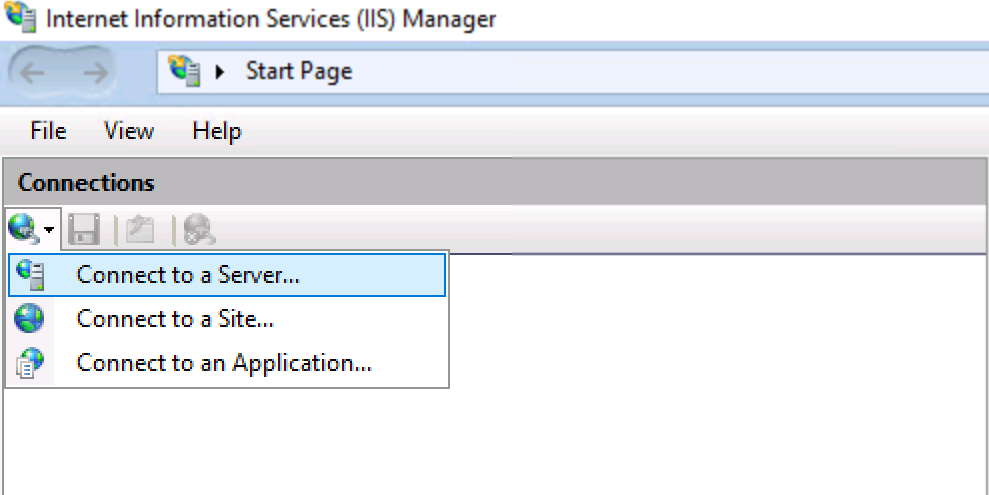
Add in the IP Address and then when asked for a username and password, the username is in the Dockerfile.
Username: IISadmin Password: ********* (whatever you add in the dockerfile)
And viola - you should now be able to connect to IIS running inside a windows container.
Now to check settings within the container you can connect to the container doing the following:-
Docker ps -a
This will give you the containerId like the following:-

Now you can grab the first 3 letters of the container id and type this
Docker exec -it 32d powershell
And now you can connect to the container with a powershell shell windows and check folders, run commands etc.
Summary You may ask why? - Whay am I doing this, well when a customer asks if they can go to AKS with an existing solution and it needs to run on windows containers, I thought yeah let;s get it working.
This is brief blog post which doesnt go into huge detail, if you have questions please just ask, I dont have much time under my belt with Docker but I learned a lot and figure out a number of things.